
Virginia-Highland (VaHi) is one of Atlanta’s most exciting places to live and is a historic district listed on the National Register. Bungalows, cottages, and Foursquare houses, mostly built in the period from 1905 through 1936, line tree-lined blocks. VaHi residents live walking distance from the shopping, dining and nightlife that attracts people from far and wide to the neighborhood, while neighborhood parks, Piedmont Park and the BeltLine border VaHi. Residents know their neighbors and remain tightly knit with active neighborhood organizations including the Virginia-Highland Civic Association (VHCA), the neighborhood watch program, the security patrol, and the parents’ organization.
VaHi is one of 242 official neighborhoods of Atlanta, and its neighborhood association, the VHCA, has a recognized role in planning and other city processes. It is part of NPU F (neighborhood planning unit F). Atkins Park neighborhood, while technically separate from VaHi, participates in the VHCA, and is a protected historic district within the City of Atlanta.
Virginia-Highland’s name derives from the intersection of Virginia and Highland Avenues. The hyphen in between “Virginia” and “Highland” denotes this origin. The neighborhood boundaries are:
- Ponce de Leon Avenue and the Poncey-Highland neighborhood on the south,
- The BeltLine and Piedmont Park/Midtown on the west,
- Amsterdam Avenue and Morningside/Lenox Park neighborhood on the north, and
- On the east, by Druid Hills (unincorporated DeKalb Co.); by Briarcliff Rd. and Druid Hills (City of Atlanta); and by the Atkins Park neighborhood
Calling All History Buffs
We aim to identify, promote and preserve the historic features and defining qualities of The Virginia‑Highland. If you love history, this neighborhood’s got it. Join our committee and learn more about The Virginia‑Highland: history@vahi.org.
The Virginia-Highland Civic Association Preservation & History Committee has made great progress. We're inviting all lovers of history to play an important role: join our committee for starters, and become the History Champion of your subdivision.
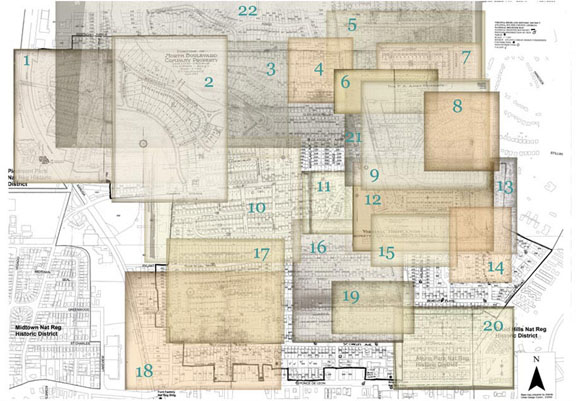
The Virginia-Highland is actually made up of many subdivisions and was primarily developed from the early 1900's through the late 40's. The number of named subdivisions varies depending on which history you look at. The disparity is often a product of incomplete developments being absorbed (or expanding) into larger subdivisions.
The map shown below gives a rough idea of the key historic subdivisions and the approximate dates of their development. We'd love for our Subdivision History Champions to help us uncover as much history as we can, subdivision by subdivision. We’ve learned a lot, but there is much more to know.
We can advise you on the process, scanning specs and best places to look for historic information. The type of history you collect could depend on your own personal curiosity and where it leads you. Oral histories, images, and documents are productive starting points, as are identifying and protecting landmarks, and investigating subdivsion historic designation. The Preservation & History Committee can advise you in all these processes.
The primary subdivisions are noted on the map below.

Virginia-Highland (Images of America)
by Karri Hobson-Pape and Lola Carlisle
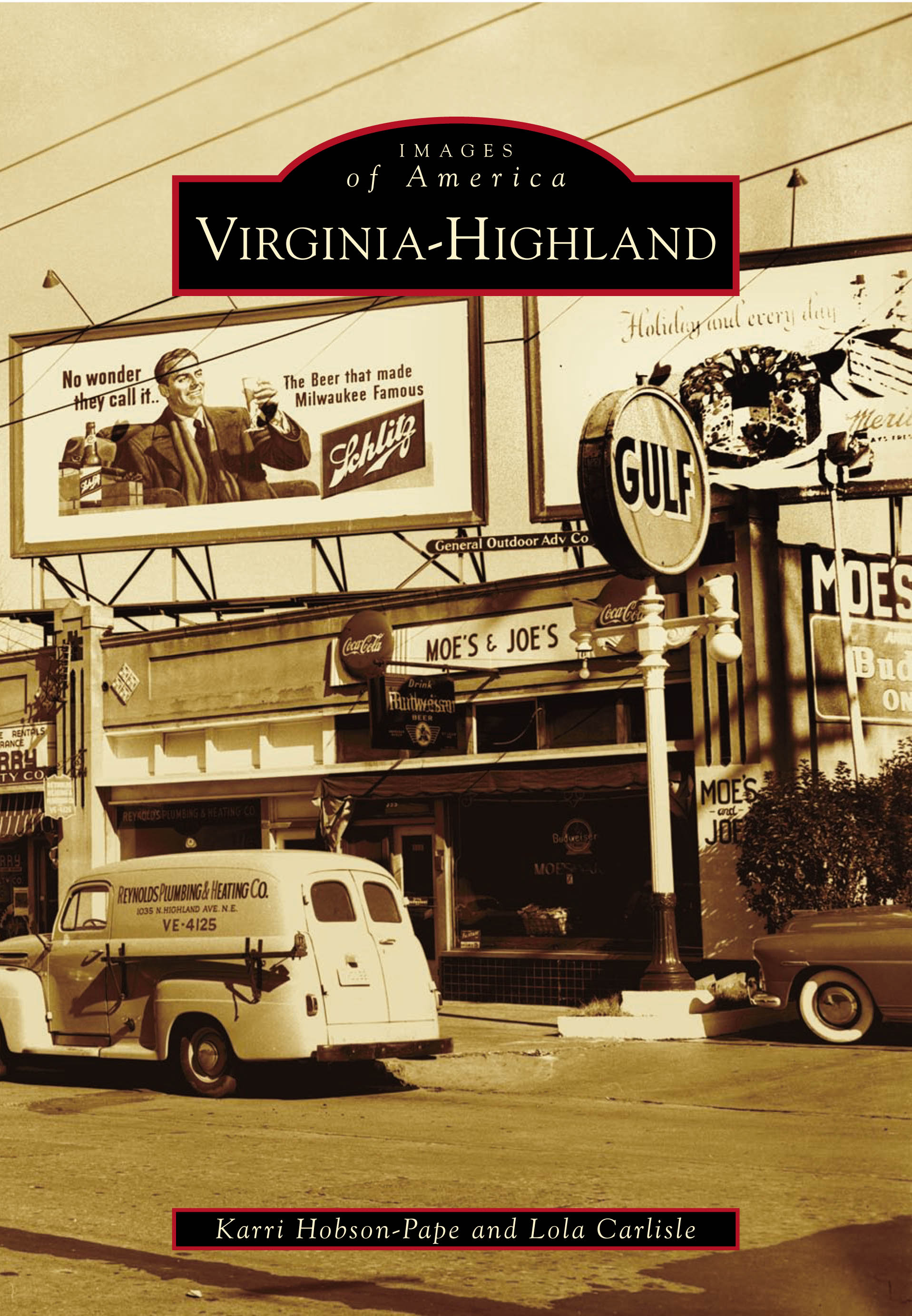
Available online from
Available locally at
- San Francisco Coffee
- Intown Hardware
- Highland Hardware
- Barnes & Noble @ Emory
Preservation and History News
Video based upon the book "Images of America: Virginia-Highland" by Karri Hobson-Pape and Lola Carlisle. It was first shown at the 2012 VHCA annual meeting as part of the celebration of the 40th anniversary of the civic association. Once you click the arrow to play, you can then watch it full-screen by clicking the square icon in the bottom right of the video.
Historical Development Maps
Browse the collection of the Virginia-Highland Historical Development Maps, original plat maps (1890s through 1930s) from your section of Virginia-Highland.
See also our historic maps page
History of the Virginia-Highland
11-part series by Linda Merrill
I: Overview, Early pioneers
II: The Cheshires and the 9-Mile Circle streetcar
III: Highland Park (1890s) - first subdivision
IV: 1903-1914: More subdivisions
V: Park Drive Bridge
VI: Boulevard Park
VII: Orme Park
VIII: Better Homes, Parks, Schools
IX: Virginia Hills, Virginia Highlands with an "s"
X: Two luxurious apartment houses
XI: Commerce
National Register of Historic Places - Virginia-Highland's application containing detailed description of architectural styles and contributing buildings. Low-res b/w photos are in this document (17.8 MB, PDF); we plan to upload the original quality color photos in the future.
Design Reference for Renovation
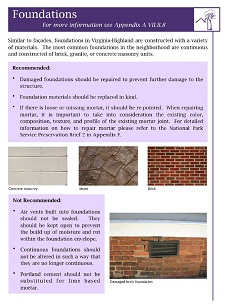 A design reference for renovation of The Virginia-Highland home styles and types was created by students in the Georgia State University Heritage Program. This reference material is provided as an aid and in no way provides enforceable city codes.
Contents include: descriptions of architectural styles (bungalow and 10 others); foundations, materials, doors, windows, roofs, additions, setbacks, massing and scale, appurtenances, landscape strips, sidewalks, walkways, fences, retaining walls, streetscapes... etc.!
Download here (very large PDF file, 26 MB)
Useful Links
Also see our links to historic maps on our Historic Maps page
- Ancestry.com ($)
- Arcadia Publishing
- Atkins Park history
- Atlanta History Center
- Atlanta Newspaper Archive Search
- Atlanta Time Machine - incredible collection of "then and now" photos
- City of Atlanta – Urban Design Commission
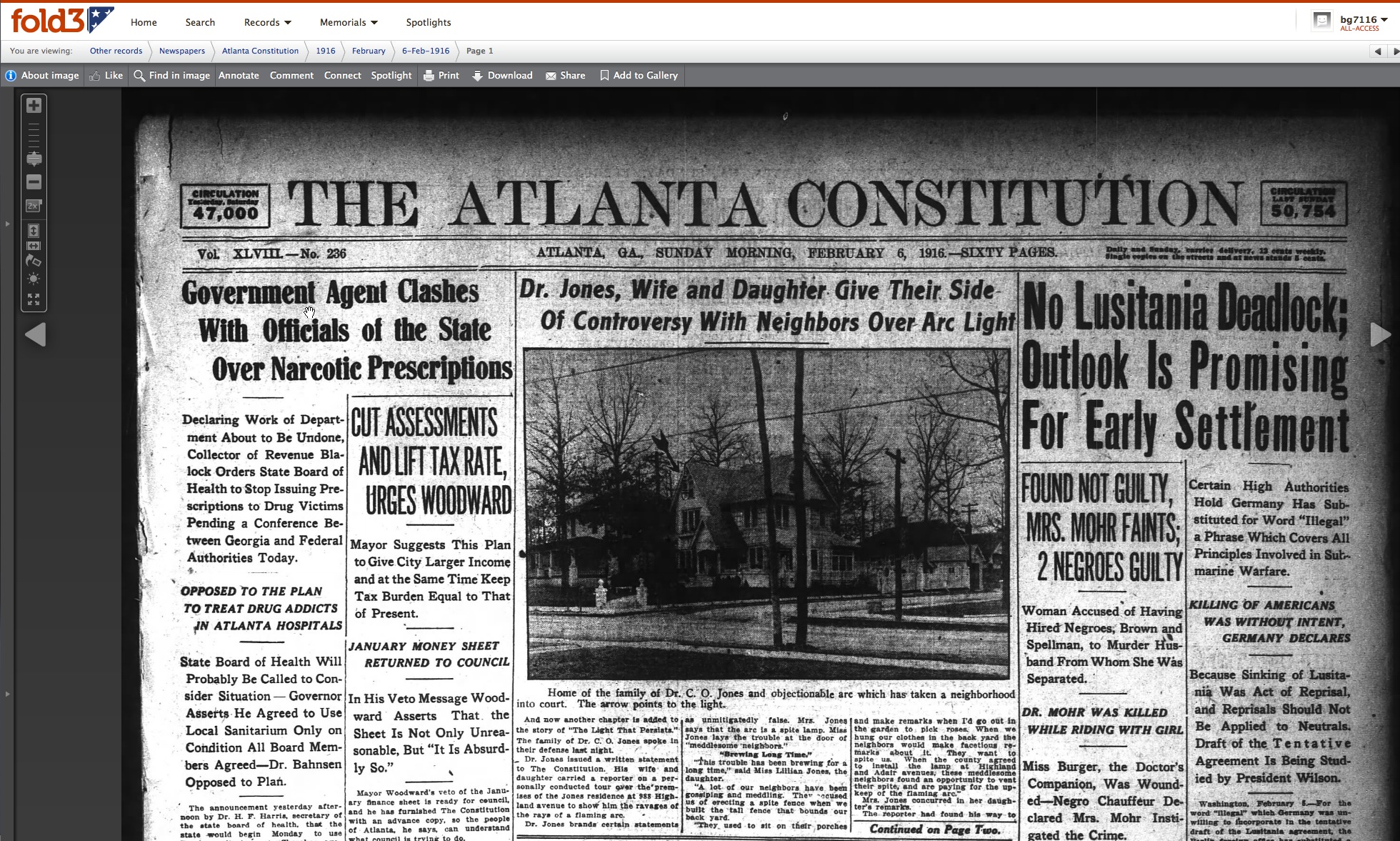
- Fold3 - Atlanta Constitution 1868-1923 (example), census and military records, more. ($)
- Fulton County Tax Assessor property records
- Georgia Archives
- Georgia Department of Natural Resources – Historic Preservation Division
- Georgia Historical Society
- Georgia State University Library – Special Collections and Archives
- Library of Congress
- National Archives at Atlanta
- National Register of Historic Places: Recognizing and Preserving Our Historic Properties
- National Trust For Historic Preservation
- Photo archive search: Atlanta Journal-Constitution photos
- State of Georgia - Historic Preservation Division
- University of Georgia Libraries – Georgia Newspaper Project
- University of Georgia Libraries – Hargrett Rare Books and Manuscript Library
- William Bremen Jewish Heritage & Holocaust Museum
Articles of Interest
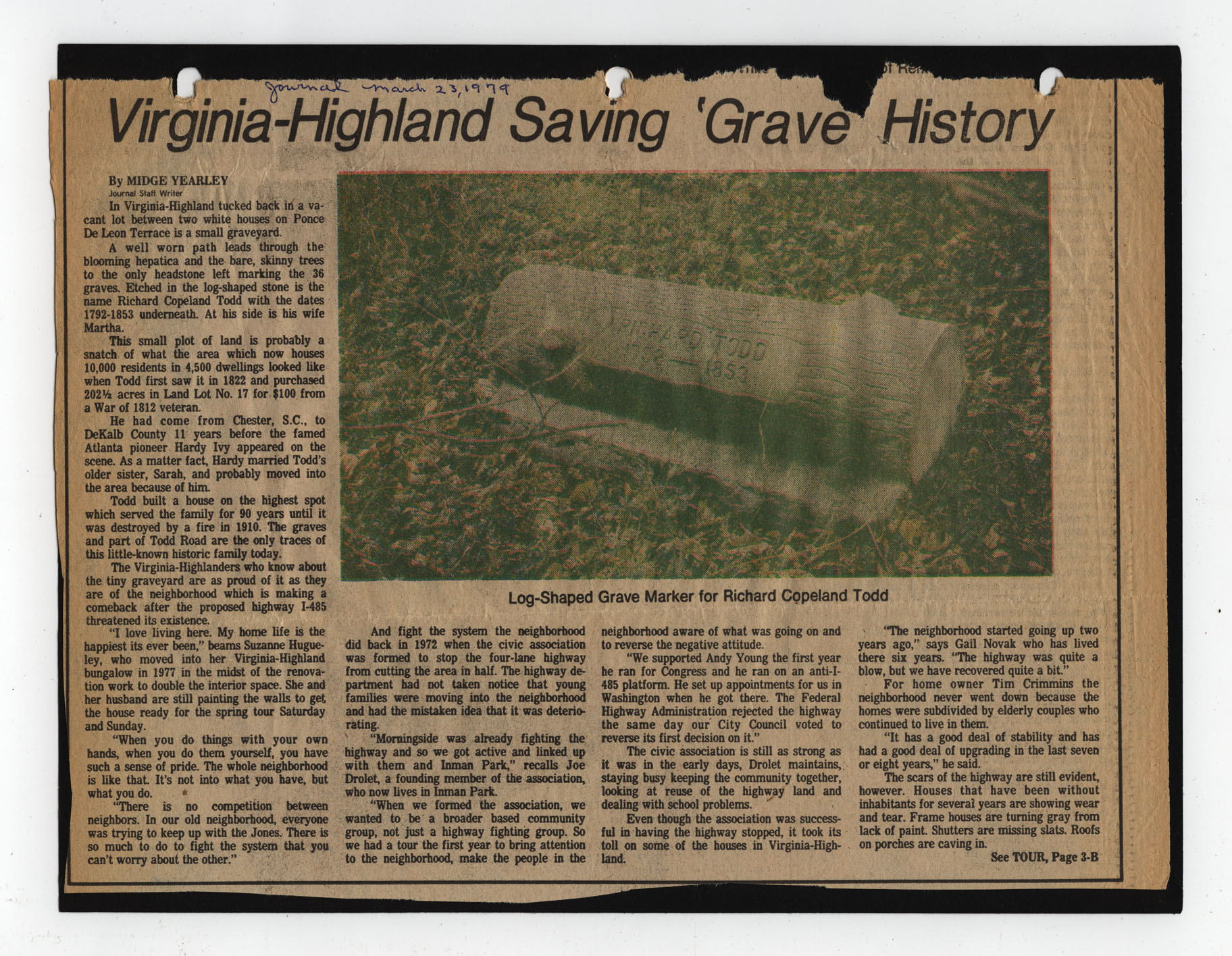
- Todd History
- VaHi Noted Landmark
- Todd Cemetery Construction Pics
- AJC - June 1984 - Bickering Ends Cleanup of Settler's Grave Site
- Atlanta 30306 Article - July/August 1995 - Richard Todd
- Atlanta 30306 - September 1995 - Todd Graveyard Source of Concern, Controversy
- The Voice - August 1984 - Todd Graveyard
- Todd Cemetery Committee Meeting Results 1986
- The Voice - October 1979 - Searching for Historical Stories
- The Voice - May 1980 - Todd Graveyard Clean-Up
- The Voice - May 1980 - Landmarks
Contact us at history@vahi.org